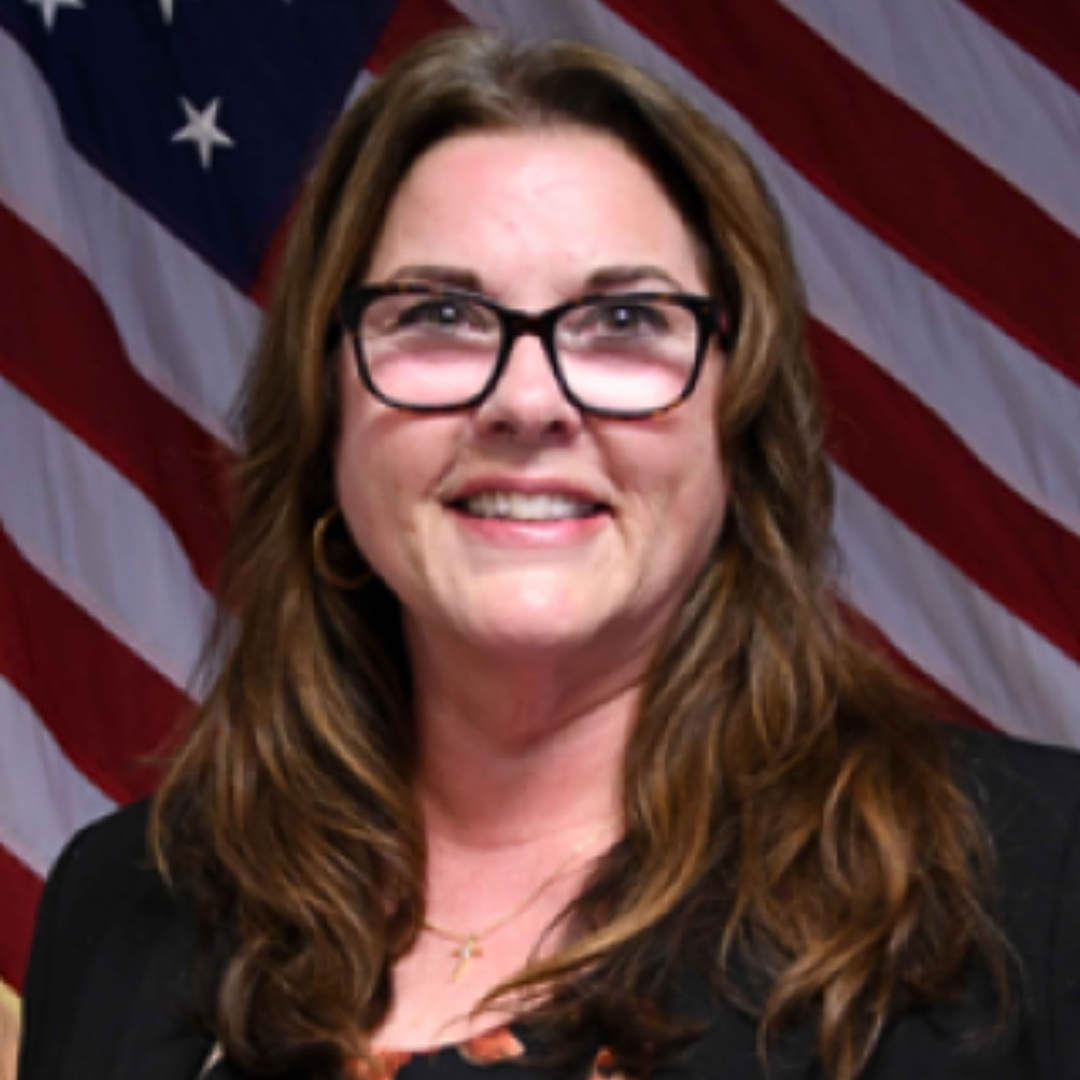
Teresa Waterbury-Clark, MSN, RN, is the Acting Associate Director for Patient Care Service/Nurse Executive at the Veterans Administration San Diego Healthcare System, a Level 1A facility, where she provides executive leadership for approximately 1,500 employees—about 40% of the workforce—and serves as a member of the Executive Leadership Team. In this role, she is accountable for nursing practice and multiple allied services, functioning as an administrator, consultant, educator, mentor, and coach while advancing veteran-centered care, high reliability, and evidence-based performance improvement.
With more than 25 years of progressive clinical and managerial experience, Teresa has led major initiatives in acute inpatient and emergency services, perioperative services, spinal cord injury, community living centers, utilization management, and patient flow. Her leadership has produced measurable gains in quality and efficiency, including sustained 5-star Community Living Center ratings, substantial overtime reductions, decreased RN turnover, improved ED throughput, and award-winning telemetry and utilization management work.
Teresa earned a Master of Science in Nursing, Nursing Leadership in Health Care Systems, and a Bachelor of Science in Nursing (Magna Cum Laude) from San Diego State University, following an Associate in Science from Cuyamaca College, where she graduated with a 4.0 GPA. She holds active California RN and Public Health Nurse licenses and has received multiple Excellence in Teamwork and Excellence in Systems Redesign awards recognizing her impact on clinical operations, systems redesign, and interprofessional collaboration.
Do you have any particular areas of interest/specialization related to nursing leadership, nursing education, or informatics?
My primary areas of interest include nursing leadership in complex systems, workforce development, and the strategic use of data and performance metrics (e.g., SAIL, IPEC, NDNQI, V Signals) to drive quality, safety, and flow. I am particularly focused on high reliability, evidence-based performance improvement, and creating environments where frontline nurses are empowered partners in decision-making.
What motivated your interest in serving on the advisory board for the MSN-NL program? What are you hoping to contribute?
My career has centered on aligning nursing leadership practice with organizational strategy, regulatory readiness, and veteran-centered outcomes, which directly informs the competencies needed in a Nursing Leadership master’s curriculum. I would bring deep experience in executive decision-making, staffing methodology, change management, and interprofessional collaboration, helping ensure the MSN-NL program prepares graduates to lead across service lines, manage large teams, and improve complex systems.
What advice do you have for anyone interested in advancing their nursing career?
Drawing from my progression from staff nurse to nurse executive, I would advise aspiring nurse leaders to seek roles that build both clinical depth and systems-level perspective, including charge roles, committee work, throughput and quality projects, and shared governance participation. I view an MSN in Nursing Leadership as most valuable when nurses actively apply coursework to real-world initiatives—such as reducing overtime, improving throughput, or redesigning care processes—while cultivating skills in communication, data use, and servant leadership.
In your view, what is unique and exciting about USD’s online MSN-NL program? How does the advisory board help shape the future of the program to best meet the goals of both students and their potential employers?
From my vantage point as a VA executive leader, an online MSN-NL program is uniquely positioned to serve working nurses who must balance graduate education with full-time practice in demanding environments. The most exciting aspect is the ability to integrate current leadership challenges—such as regulatory readiness, workforce retention, and high reliability—directly into online learning activities that nurses can immediately translate back into practice.