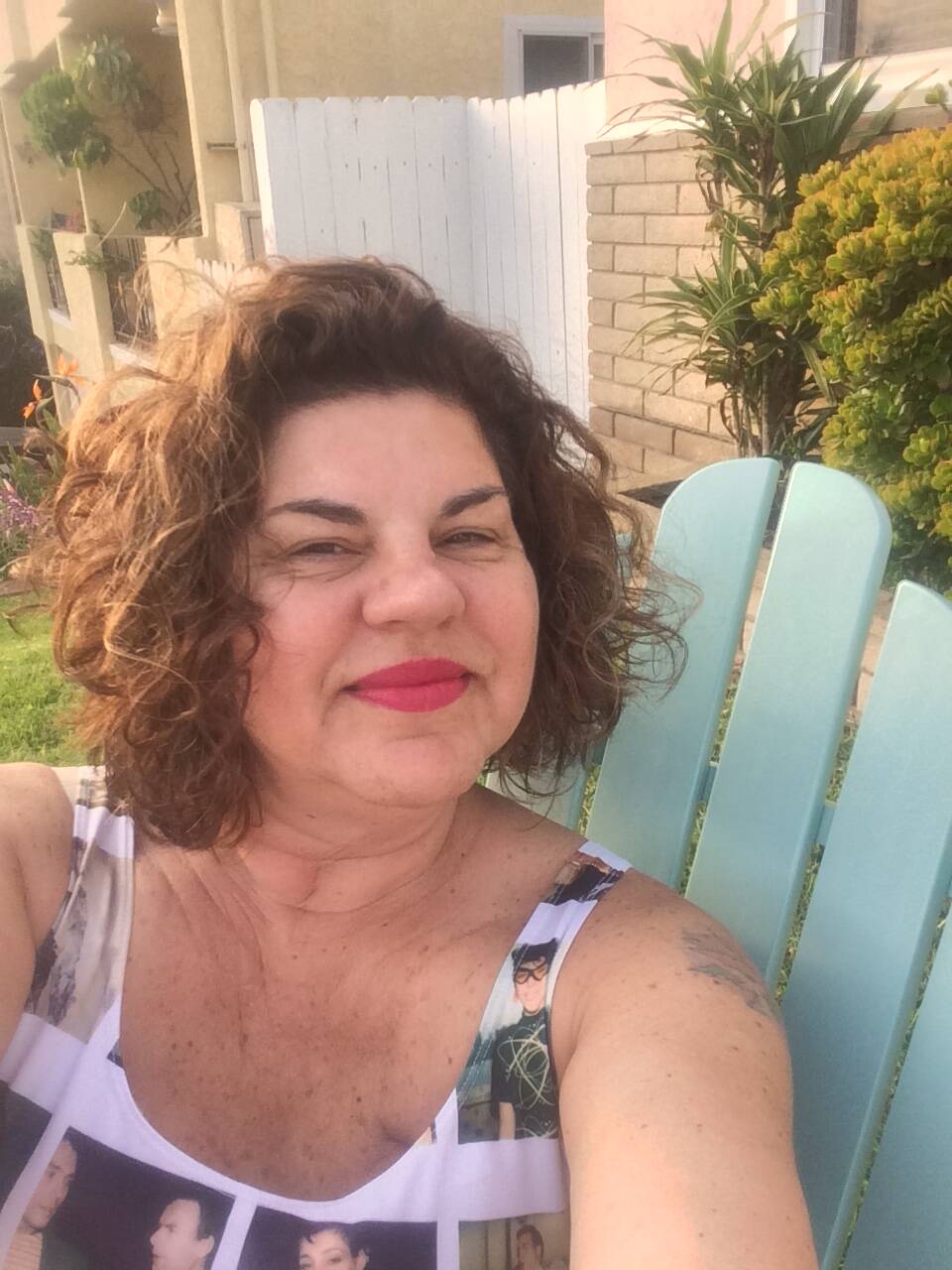
Irene Tobias is a humanitarian program and project management professional and graduate of the Master of Science in Humanitarian Action program at the Joan B. Kroc School of Peace Studies, University of San Diego. Drawing on more than two decades of experience in project management and cross-sector collaboration, her work focuses on protracted displacement, durable solutions, refugee self-reliance, and the intersection of humanitarian action, development, and peace-building. She is particularly interested in rethinking humanitarian systems that leave displaced populations in prolonged states of dependency and uncertainty. Her current work examines a parallel challenge within the humanitarian system: sustaining public engagement and investment as traditional models of charitable giving become increasingly difficult to maintain. Following major disruptions to humanitarian funding, including the 2025 USAID funding cuts, she is exploring how behavioral science and decision architecture might help humanitarian organizations better understand—and redesign—the environments in which people decide whether, when, and why to give. Her broader interest is in designing humanitarian systems that move beyond crisis maintenance toward greater self-reliance, sustainability, and long-term systems change.
Why did you choose the MSHA program?
I am an immigrant from Hungary. Growing up, my family often helped newly arrived immigrants in our small Hungarian community in Florida. My parents owned a factory offered jobs, gave furniture, household items, and whatever else they needed to get started. Helping people who were starting over was simply something my family did. In 2006, I learned about the atrocities being committed in the Democratic Republic of the Congo. I was deeply moved and wanted to do something to help, but I didn’t know what that “something” was. I began volunteering with The African Community Center, a refugee resettlement organization in Denver, Colorado. At that time, online graduate programs were not really an option, so I continued my career in project management in advertising and marketing. After more than 20 years in that career, my professional circumstances changed and forced me to consider a different direction. I did a tremendous amount of research into what I could do next, but my heart kept bringing me back to humanitarian work. When I found the MSHA program at USD, I was excited for several reasons. I live in Los Angeles, so the location was convenient, but more importantly, the curriculum was focused on Humanitarian Action rather than areas such as immigration policy, which was not where my interests were. I finally found a program that connected my personal experiences, my desire to help people, and the project-management skills I had developed throughout my career.
How did the MSHA program help you achieve your personal and/or career goals?
The support I received from the faculty and staff was one of the most valuable parts of the program. Dr. Commins was one of my first professors, and I kind of forced him to become my mentor. As a project manager, I postmortems are part of the project cycle. It fits perfectly with humanitarian action because lessons learned can speed up reactions for the next conflict/crisis. The MSHA program gave me the opportunity to apply that way of thinking to humanitarian crises. Every professor I had brought a different area of expertise and was willing to guide me in the right direction. When I developed my Three-Phase Solution for addressing the generational occupation of refugee camps, several of my professors provided valuable guidance and feedback. Their support helped me take an idea that started as a class project and continue developing it into something much bigger. That work has now led to an invitation to contribute a chapter on the Rohingya crisis for a professor in London who is writing a book on the topic. My contribution is my Three-Phase Solution to move refugees from prolonged humanitarian dependency toward self-reliance and community development.
What advice would you share with prospective MSHA applicants?
Be active. Ask for help. Ask questions. Build relationships. The more I put into the program, the more I got out of it. The library staff were incredible in helping me research and find the information I needed. I also scheduled weekly Zoom meetings with my professors. Because MSHA is an online program, I found that making the extra effort to build a relationship with each professor made a tremendous difference. It made the program feel much more personal and enriched what I was learning. Don’t be afraid to ask questions—whether during a Zoom meeting or by email. The professors were incredibly responsive and genuinely wanted their students to succeed. Also, take advantage of the MSHA community. Build rapport with your classmates, professors, and program leadership. The relationships I made during the program have become a tremendous resource for me, both personally and professionally. Finally, start building your professional network while you are still a student. I subscribed to newsletters and updates from the UN, UNICEF, PCDN, ICRC, and organizations, NGOs, and charities working directly with refugees. I followed opportunities even when I wasn’t sure I was qualified for them. That habit paid off. Through information I received from these networks, I applied for opportunities that eventually led to my selection for the Sugarman Practitioner-in-Residence Program at Princeton University, which I begin in October 2026.
Did you have a favoirte instructor or course in the MSHA program?
Dr. Stephen Commins by far my favorite professor. He was my mentor during and even after graduation. His background was in the same focus as mine. His knowledge and experience was invaluable to me.
What were you balancing while participating in the MSHA program?
I am a single mom, as well as working full time as a freelance project manager. I also started volunteering with Creshendo, for who I developed an entrepreneurship workshop for refugees living in Lisbon, Portugal. It was an amazing experience. Regarding time management, I treated each class like a project. I created timelines and schedules, blocked out time to work, and then stuck to it. My project-management background actually became very useful—I managed my coursework the same way I would manage a professional project. Because I loved the subject matter so much, I often worked ahead. I also found ways to continue developing projects and ideas that I had started in previous classes rather than starting from scratch every semester. That has turned out to be incredibly valuable. Some of those projects have become writing samples, research ideas, SubStack account, and submissions for professional opportunities. In other words, I tried to make every assignment do double duty: complete the class requirement while also building something I could use after graduation.
How did you stay motivated throughout the program in the face of competing priorities in your life?
The work of humanitarians is more critical than ever, particularly following the major disruptions to humanitarian funding, including the USAID cuts. Millions of people have been affected, and the consequences of these disruptions are being felt across humanitarian operations and the communities they serve. I witnessed some of these realities firsthand during my trip to Nairobi. This experience reinforced my belief that the humanitarian sector needs meaningful systems change. We need people who are willing to step into difficult problems, challenge the way things have always been done, and do the hard work of building something better.
MSHA Graduating Class
2026