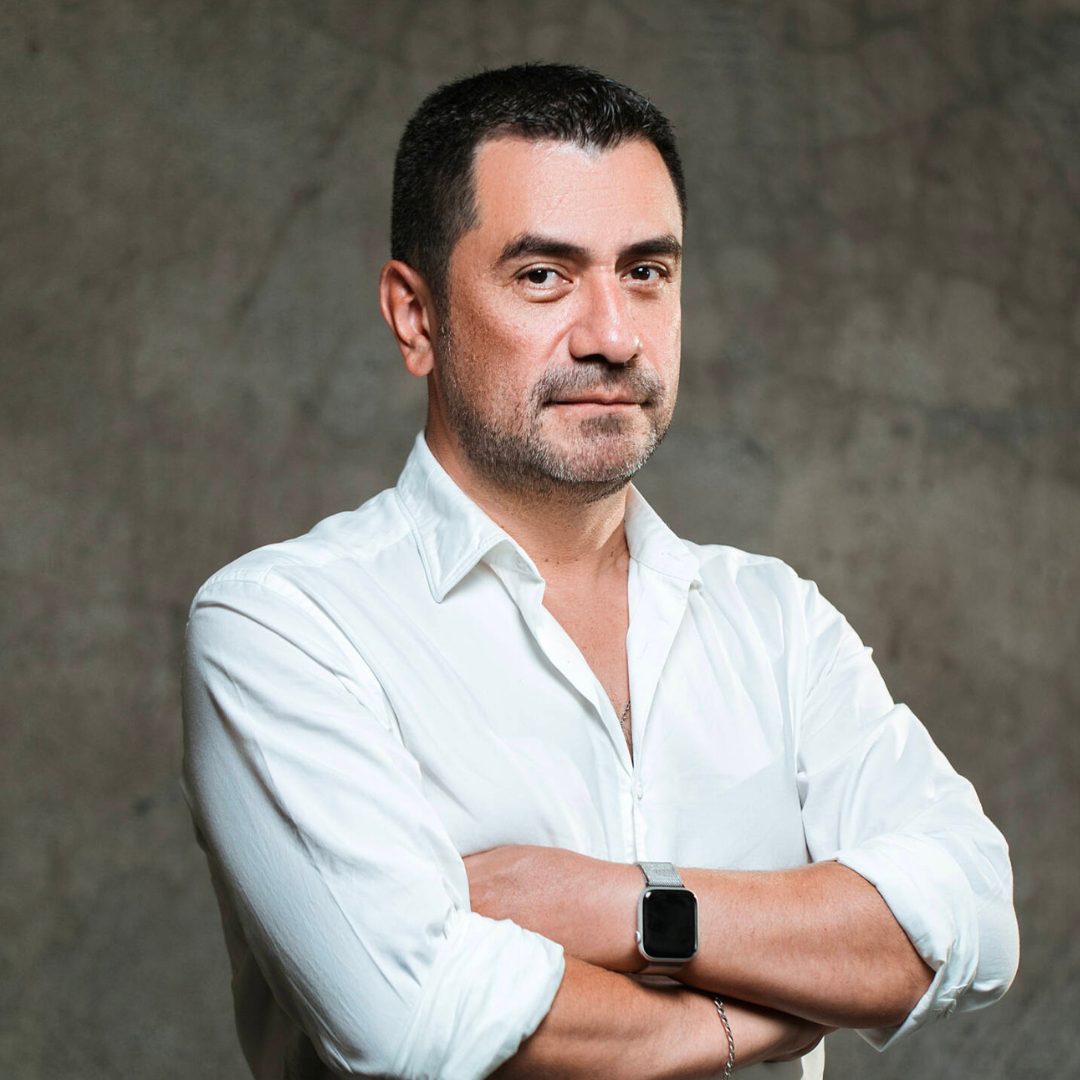
Hector J. Vivero has fifteen years of experience working in humanitarian and development interventions in the Middle East, Southeast Asia, Eastern Europe, North Africa, and Latin America. Hector has worked with local NGOs and some of the largest European NGOs including the Norwegian Refugee Council and Helvetas Swiss Intercooperation. Hector led the Emergency Livelihoods & Social Cohesion Cluster as a Co-Coordinator in Iraq, and has been involved in humanitarian responses in Afghanistan, Libya, Myanmar Ukraine, Iraq, Jordan, and Moldova.
Hector’s expertise focuses on Cash and Voucher Assistance, Livelihoods, Economic Inclusion, and Private Sector Development. Because of his knowledge of both humanitarian and development programming, Hector has developed complex NEXUS projects to build the capacity of government authorities to deliver humanitarian services and development support to affected populations in a sustainable and inclusive way.
Hector holds an MA from the University of York, United Kingdom, and an MBA from the University of Illinois at Urbana-Champaign. Hector is currently consulting for local and international NGOs and has formerly served as Chair of the Board of Directors of Plastic Beach, a San Diego–based nonprofit that promotes environmental sustainability through plastic recycling.
Areas of Interest
Livelihoods, Economic Inclusion, WASH, Private Sector Development, Legal Assistance, Advocacy, and Protection.
What Prompted You to Want to Teach for USD Online’s Program?
I wanted to teach in USD’s Online Program because it offered me the opportunity to bring my personal experience from some of the world’s most challenging humanitarian crises into the classroom. I believe that connecting theoretical concepts to real-world events is one of the most powerful ways to support the development of future humanitarians who will lead tomorrow’s responses.
Favorite Fun Fact About Yourself?
I am an entrepreneur at heart. When I’m not working in a humanitarian response, I’m often thinking about my next venture. This entrepreneurial drive led me to pilot a Mexican restaurant in Myanmar and a farm-to-table eatery in Ukraine.
What Advice Do You Have for Anyone Interested in Advancing Their Career in the Field You Teach in?
Go local. By that I mean to leverage local actions and knowledge when responding to humanitarian crises to create synergies. In my experience some of the best organized and most innovative humanitarian responses were not led by international NGOs or the UN, but by local actors and activists working at the grassroots level.
Online degrees are one of the best options for professionals who want to advance their careers while continuing to work. They allow you to expand your knowledge and skills without taking time off, while also applying what you learn directly to real-world challenges in your job. This balance between theory and practice creates powerful learning opportunities that enhance both academic and professional growth.
There is always time to learn something new — including pursuing an academic degree. If you keep waiting for the “right” time, there will always be something that seems to stand in the way of following your dreams. Once you take on the challenge, you’ll discover that many of your worries were unfounded, that you’re capable of more than you imagined, and that you’re on a rewarding journey of personal and professional growth.