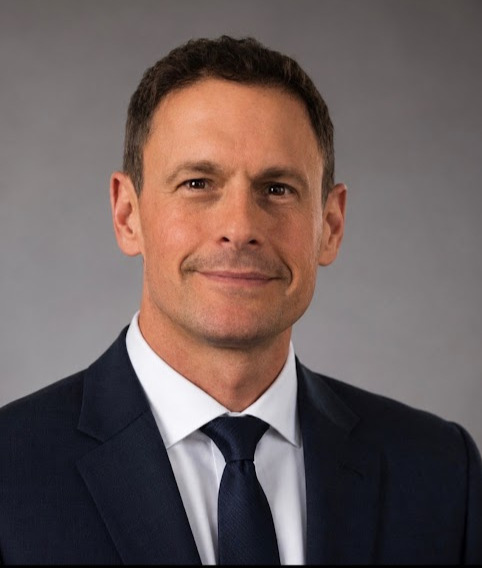
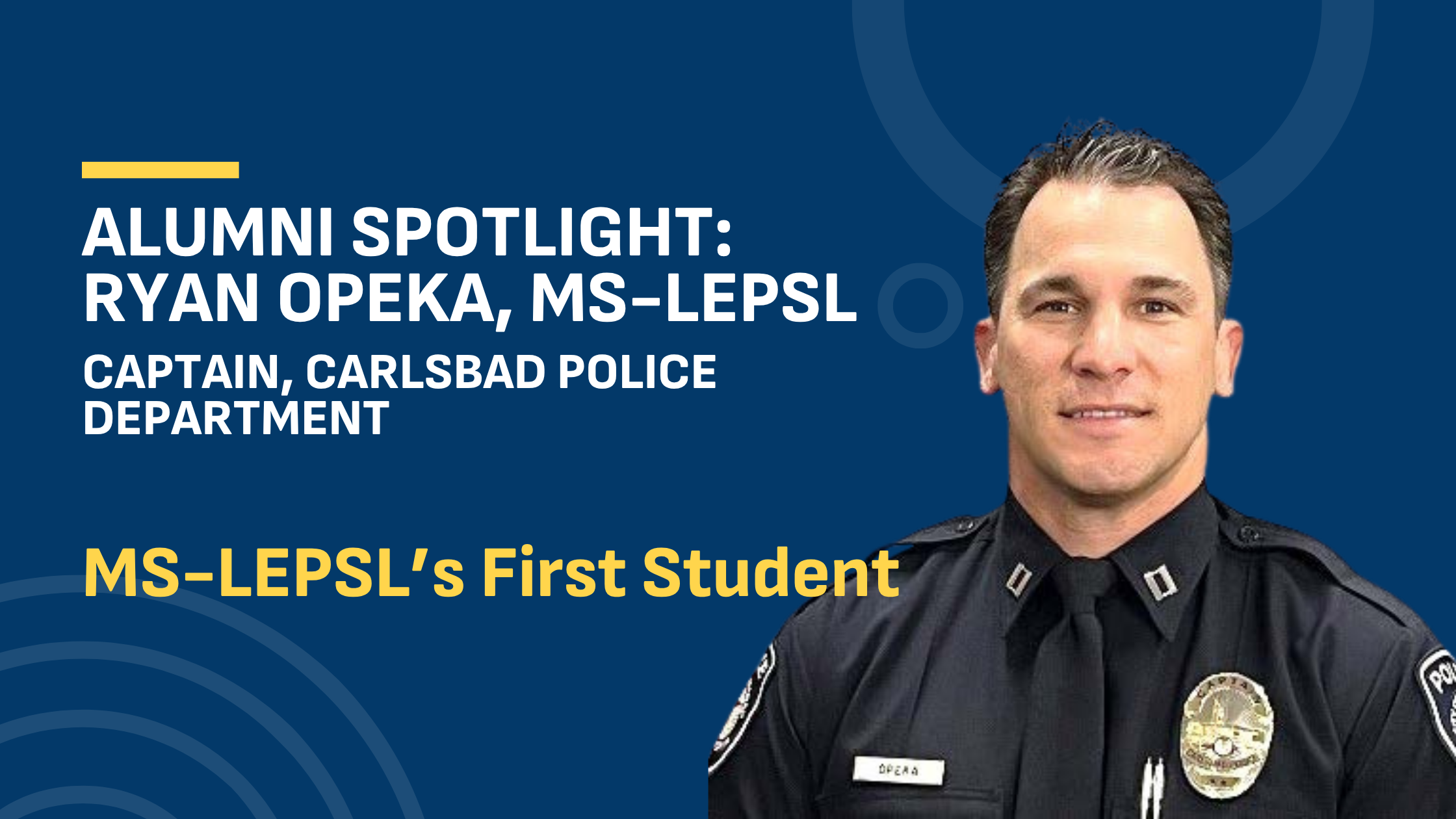
Back in the Spring of 2015, when then-Gang Detective Ryan Opeka submitted his application to the newly launched MS in Law Enforcement & Public Safety Leadership (LEPSL) program, he wasn’t trying to make history. He was just trying to invest in himself as a leader.
It was years later that he learned the full story: He was the very first person to apply and be accepted into what would become one of the top graduate programs in the country for law enforcement leadership — a program that would go on to produce more than 1,100 graduates to date, and hundreds more each year. What started as a quiet personal investment had turned into a milestone for the program.
“One of the things that really attracted me to the LEPSL program was the fact that it was with the University of San Diego,” Opeka said. “Being associated with a university of that stature, to me, really carried a lot of weight.”
From the Marines to a Ride-Along That Changed Everything
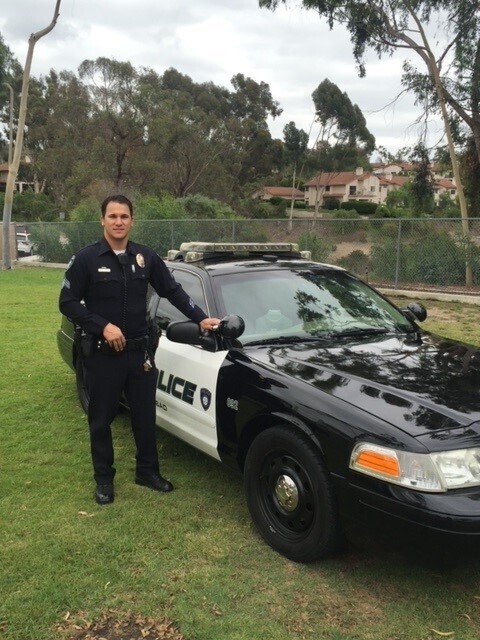
Law enforcement was never part of the plan. Opeka came out of the U.S. Marines with no connection to the field until a family friend who happened to be a chief of police suggested he tag along for a shift.
“I did a ride-along and fell in love with the job,” he said. “It had everything I was looking for.”
He started his career in 2005 with the West Covina Police Department. In 2007, he moved to the Carlsbad Police Department, where he’s built a career that spans narcotics, gangs, homicide, property crimes and a psychological-emergency response team. His guiding philosophy has always been the same: get experience everywhere and never stop learning.
“I’ve always tried to conduct myself in a way where I’d be the type of person that I would want to go to if I had a question or issue,” he explained. “So I’ve made it a point throughout my 20-plus years to get as much exposure in as many different areas as possible.”
That commitment to growth extended naturally to education. He earned his bachelor’s degree from Penn State and was exploring graduate options — including an MPA at another university — when a conversation with a colleague changed the trajectory. While assigned to the FBI North County Regional Gang Task Force, that colleague pulled up an ad for LEPSL. “I realized it was exactly the type of degree I wanted to pursue,” Opeka said.
Built for the Job — Not Just About It
What set LEPSL apart for Opeka wasn’t just university prestige. It was relevance. The curriculum was built around where policing was heading, not just where it had been.
“The program was forward-facing,” he said. Topics like body cameras, drones and de-escalation techniques — now standard conversations in law enforcement — were being addressed in the LEPSL classes and discussions before they became mainstream in the field. Live lecture series brought in public safety leaders to tackle contemporary and controversial issues head-on. And every instructor was a current or former law enforcement leader who understood the realities of the work.
“It was clear to me that this program was intentionally designed by people who actually understood the profession,” Opeka said.
Beyond the curriculum, it was the connections that stuck. He built relationships with police leaders from departments across the country — people he still collaborates with today, sometimes running into them at national conferences years after only ever meeting virtually.
“One of the most valuable parts of the program was the networking,” he said. “I still have relationships with a lot of the individuals who were in the program with me.”
A Degree in Law Enforcement Leadership That Moved the Needle
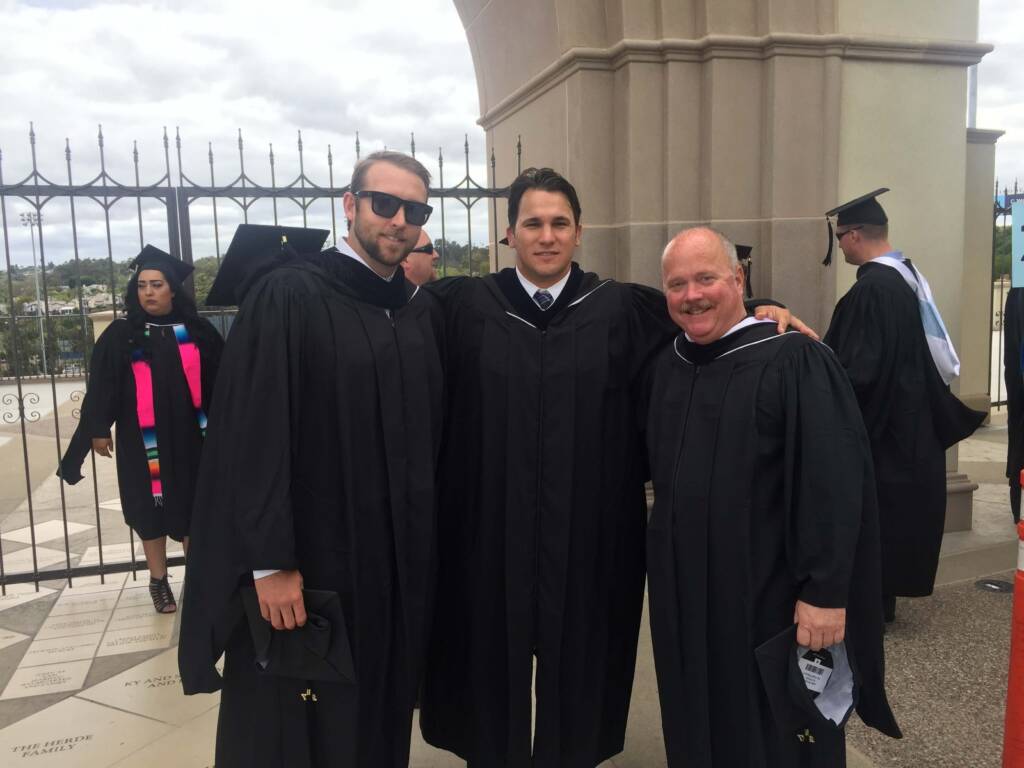
Opeka enrolled as a detective. By the time he graduated, he had already been promoted to sergeant. Within two years of finishing the program, he had been made lieutenant. Today, he holds the rank of captain and credits the LEPSL curriculum with helping him get there.
He also noticed the same pattern playing out across his cohort. Nearly everyone he went through the program with experienced a similar arc of relatively rapid advancement.
[RELATED] 9 Tips for Law Enforcement Professionals Going Back to College to Pursue a Graduate Degree
That’s not a coincidence, he says. At the Carlsbad Police Department, education is not only encouraged, but it’s a factor in promotion and special assignment decisions.
“When we’re making a selection, whether it’s for a promotion or a special assignment, we’re not just looking at what you’ve done,” he said. “We’re also looking to see if you’re the type of person who will take whatever you’re stepping into to the next level.”
Law Enforcement Leadership Development: Paying It Forward
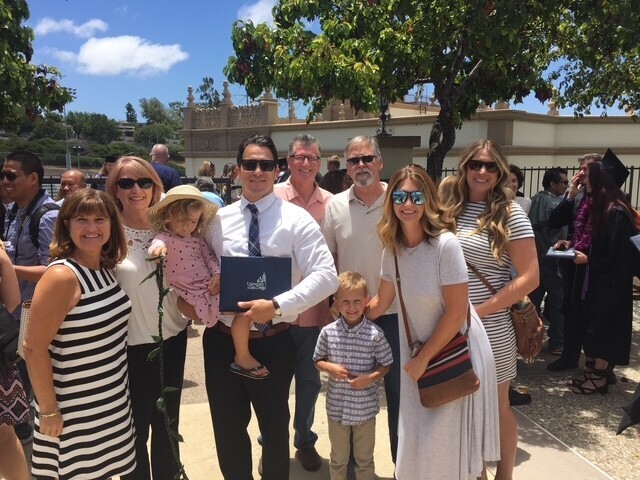
Since Opeka graduated from the LEPSL in 2017, approximately 30 members of his agency have gone through the program. He’s made it his mission to keep that number growing — not just as a career move, but as a responsibility to the profession.
For Opeka, the stakes are real. Agencies that don’t invest in officer education, he argues, risk losing their own voice in shaping the profession.
“A police department that doesn’t invest in the education of its officers is likely to have ideas come from somewhere that isn’t backed up by experience,” he said. “If an officer isn’t going to put themselves out there and obtain the education outside of what’s minimally required, then they’re going to have to rely on other people to come up with these broader concepts and ideas.”
[RELATED] Continuing Education for Law Enforcement Professionals — And How a Master’s Degree Helps
For Opeka, the solution is straightforward: get educated, get involved and make your voice count.
“I’ve encouraged officers to pursue education so that when the time comes, it’s their input that’s driving the decisions that ultimately lead to effective police leadership, police policies and police practices,” he said. “Being that educated practitioner is really what’s going to set the profession up for success. And the LEPSL program really provides law enforcement professionals with that opportunity.”
Every journey starts with a single step. And for a program now widely regarded as one of the best graduate programs in the country for law enforcement leadership, it all started with one application. Ryan Opeka submitted it first — he just didn’t know it yet.