Ever wonder why your Spotify ‘Discover Weekly’ playlist feels like it knows you better than your best friend? That’s not magic — it’s mathematics. While we experience music as an emotional journey, the industry behind it is running on a high-speed engine of algorithms, predictive modeling and granular audience insights. The transformation of the industry from ‘gut feel’ to ‘data-driven’ is changing everything from how music is made to how it’s marketed.
Every stream, skip, playlist add and concert ticket purchase generates valuable information. Music data analytics applies data science techniques to this growing amount of information, transforming how music is discovered, marketed and monetized. Artists, record labels, streaming platforms and live event organizers rely heavily on analytics to understand audiences, predict trends and make informed decisions in a highly competitive industry.
As technology continues to redefine how music is created and consumed, data science has become a powerful force behind the scenes, reshaping the business of music while honoring its creative intent.
Understanding this shift requires looking beyond the theory. By examining real-world industry applications and the specific skill sets driving the next generation of music analytics, we can better map out how this intersection of sound and data is shaping the future of the artist-listener relationship.
Data Science in the Music Industry
Music generates huge volumes of digital data. Streaming platforms, social media channels and ticketing systems all capture information about how audiences interact with music.
Data science transforms that raw data into insight. Artists, record labels and industry leaders use analytics to understand listener behavior, track emerging trends and support data-informed decision-making.
Key applications include:
- Predictive analytics to identify potential hits before they reach mainstream popularity
- Recommendation algorithms that personalize listening experiences and make discovering music easy
- Audience insights that inform marketing strategies, tour planning and fan engagement
By connecting creativity with intelligence, data science has become an invaluable tool for navigating an increasingly involved industry.
The Role of Big Data in the Music Industry
Big data refers to extremely large volumes of structured and unstructured information generated by both human activity and automated systems. In the music industry, this data is created continuously as listeners stream songs, engage on social media, attend live events and interact with digital platforms.
Common sources of music-related big data include:
- Listening behavior on streaming platforms
- Social media engagement and fan interactions
- Ticket sales and live event attendance
- Radio airplay and performance data
Big data reveals patterns that can help identify emerging trends, personalized music recommendations and support the creation of curated playlists.
For artists and record labels, big data plays a strategic role in decision-making, specifically when it comes to marketing campaigns, tour planning, audience targeting and release strategies, allowing creative and business choices to be guided by evidence rather than intuition alone.
Types of Music Analytics Data
Music analytics draws from multiple data streams, each offering a different perspective on how music is created and distributed. Together, these data types provide a big-picture view of performance, audience behavior and market impact.
- Streaming data
Streaming platforms generate detailed information on listening behavior, including plays, skips, repeats, playlist additions and listener retention. Platforms such as Spotify, Apple Music and YouTube use this data to measure engagement and make meaningful recommendations. - Social media data
Social platforms capture how audiences interact with artists and music in real time. Engagement metrics, mentions and shares on platforms such as Instagram, TikTok and Facebook reveal how music spreads and resonates culturally. - Sales and revenue data
Sales analytics track both physical and digital purchases, downloads, subscriptions and royalties. This data provides insight into revenue performance and long-term financial sustainability. - Audio and metadata
Audio analysis examines song-level features such as tempo, key, genre and lyrical characteristics.Metadata is also extremely insightful. This refers to the information attached to a song, such as artist name, album and release date, all of which helps classify music, make it easier to find and power recommendations on streaming platforms. - Live performance data
Touring and concert data includes ticket sales, attendance patterns and fan demographics. These insights help guide venue selection and other live event strategy. - Radio and broadcast data
Broadcast analytics measure airplay frequency and audience reach across radio and other traditional media outlets, offering insight into exposure and market reach. - Licensing and rights data
Licensing data tracks music usage, royalty distribution and compliance information. Accurate analytics in this area are crucial for fair compensation of artists and their teams.
Key Applications of Data Science in Music
Data science plays a critical role across the music industry, turning data into actionable insights that guide creative, business and operational decisions.
- Recommendation systems
Personalized playlists and song suggestions rely on algorithms that analyze listening habits and preferences. These systems help listeners discover new music while boosting engagement on streaming platforms. - Marketing and audience segmentation
Data-driven analysis enables precise targeting of fans. Labels and marketing companies can tailor campaigns, promotions and social content to the right audience at the right time, maximizing engagement and impact. - Artist and repertoire (A&R) and hit predictions
Analytics help identify promising artists and potential hit songs before they break into the mainstream, reducing risk and improving talent discovery. - Tour planning and optimization
Listener location data and engagement trends inform tour routing, venue selection and ticket sales strategies, ensuring performances reach the right audiences. - Rights management and fraud detection
Tracking royalties, monitoring licensing and detecting unauthorized use of music help protect intellectual property and ensure fair compensation for artists and creators. - Content analysis and song insights
Analyzing audio features, lyrics and trends helps to make informed creative decisions, guiding production, experimentation and release strategies.
Data Science in Action: 6 Real-Life Examples
Data science is actively shaping how music is discovered, ranked, promoted and experienced. These examples show how analytics and machine learning operate at scale.
- Spotify’s Discover Weekly
Discover Weekly uses listening history, playlist behavior and user similarity models to generate personalized playlists. Data-driven recommendations help listeners discover new artists while increasing engagement and retention on the platform. - Billboard charts
Modern Billboard charts rely on data aggregation rather than manual reporting alone. Streaming activity, digital sales, radio airplay and audience engagement are analyzed to reflect real-time popularity and trends. - TikTok viral hits
TikTok’s algorithm analyzes user behavior, sound choices and engagement to surface content. Songs that gain traction on the platform often translate into mainstream success, proving the power of social media to spread music discovery. - Pandora’s Music Genome Project
Pandora combines expert-labeled song attributes with machine learning to classify music at a granular level. This approach enables highly personalized radio-style recommendations based on musical characteristics rather than popularity alone. - Tour planning by Live Nation
Live Nation uses audience location data, streaming trends and historical ticket sales to optimize tour routing and venue selection. Analytics help align tour schedules with demonstrated demand, improving attendance and operational efficiency. - Shazam’s music recognition technology
Shazam applies signal processing and pattern recognition to identify songs from short audio samples. The resulting data also provides insight into emerging trends, regional popularity and listener intent.
Skills, Tools and Technologies Needed to Work in Music Analytics
Working in music analytics requires a blend of technical expertise, analytical thinking and industry awareness. Professionals in this field translate complex data to support creative and business decisions across music, utilizing the following to succeed.
- Programming languages
Python, R and SQL form the foundation of music analytics work. These languages support data cleaning, analysis, automation and model development across large datasets. - Data analysis and visualization
Tools such as Excel, Tableau and Power BI are used to explore trends and communicate insights clearly. Effective visualization helps transform complex findings into useful information for stakeholders. - Machine learning and artificial intelligence (AI)
Machine learning models power recommendation systems, trend forecasting and listener segmentation. AI techniques enable deeper pattern recognition within large and complex music datasets. - Big data technologies
Technologies such as Hadoop and Spark, along with cloud platforms like AWS and Google Cloud, support the storage and processing of large-scale music data generated by streaming and digital platforms. - APIs and data sources
Music analytics relies heavily on application programming interfaces (APIs) and structured data sources. Tools such as the Spotify API and YouTube API provide access to streaming metrics, user engagement data and metadata. - Statistical and analytical skills
A strong understanding of probability, regression analysis, clustering and correlation analysis is essential for interpreting data accurately and building reliable models. - Domain knowledge in music
Technical skills are most effective when paired with industry context. Knowledge of music genres, audience behavior, industry trends and music business operations helps ensure insights are relevant and actionable.
Educational Requirements to Work in Music Data Analytics
Careers in music data analytics typically require a strong academic foundation paired with practical industry knowledge. Educational pathways vary, but most roles share common expectations.
- Bachelor’s degree
A bachelor’s degree is generally the minimum requirement. Common fields of study include data science, computer science, statistics and related quantitative disciplines. - Master’s degree
While not always required, a master’s degree can provide a competitive advantage. Graduate programs in data science, analytics or music informatics offer advanced training and specialized lessons in music-focused applications. - Certifications and online programs
Professional certificates and online courses can supplement formal education and provide opportunities to continue education during full-time work. Programs focused on data analytics or music data provide opportunities to build targeted skills and stay current with evolving tools and technologies. - Domain knowledge in music
Technical expertise, when combined with industry understanding, is incredibly valuable. Familiarity with music production, streaming platforms, fan engagement and industry trends helps translate data insights into meaningful decisions.
Careers and Employers in Music Data
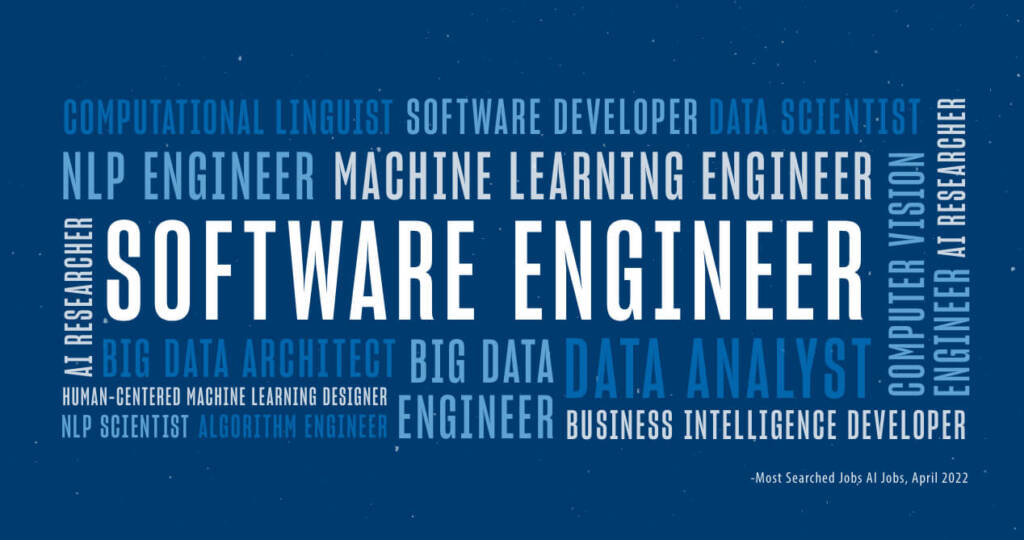
Music data analytics opens the door to a wide range of roles, including these positions that support decision-making across creativity, technology and business.
Common roles in music data analytics include:
- Data analyst, focusing on interpreting trends and performance metrics
- Data scientist, building models to uncover patterns and predict outcomes
- Machine learning engineer, developing systems that power recommendations and personalization
- Product analyst, using data to improve digital music products and user experiences
- A&R analytics specialist, supporting artist discovery and talent evaluation
Common employers include:
- Record labels, using data to guide artist development and marketing strategies
- Streaming platforms mentioned earlier, including Spotify, Apple Music, YouTube and Pandora
- Music technology startups, developing analytics-driven tools and platforms
- Concert and tour companies, applying data to tour planning, pricing and audience engagement
Together, these roles and employers highlight the growing demand for professionals who can translate music data into insight and impact.
Key Tool Datasets and Resources in Music Data
Music data analytics relies on a mix of open datasets, technical tools and learning resources. Together, these support analysis, experimentation and real-world applications.
- Core datasets and APIs
Foundational datasets and APIs provide access to large-scale music and listener data. Well-known examples include the Million Song Dataset, along with Spotify and YouTube APIs, which are widely used to analyze streaming behavior and music metadata. Industry initiatives such as the Pandora Music Genome Project and TikTok’s viral analytics tools also offer insight into music discovery and trend formation. - Data analysis and visualization tools
Programming languages and visualization platforms are essential for exploring and communicating insights. Python and R support data analysis and modeling, while tools such as Tableau and Power BI help present findings in a clear and accessible way. - Machine learning frameworks
Machine learning frameworks allow for more advanced analysis, including recommendation systems and pattern recognition. Common tools include Scikit-learn, TensorFlow and PyTorch. - Educational resources and communities
Blogs, online courses, conferences and open-source datasets help professionals and students stay current in a rapidly evolving field. These resources support skill development, experimentation and collaboration within the music data community.
Ethics and Future Trends in Music Data
As music data capabilities expand, new ethical challenges and future-facing trends are coming into focus. These considerations highlight major responsibilities and considerations.
- Privacy and data protection
Listening data provides valuable insight into audience behavior, but it also raises privacy concerns. Responsible data practices require transparency around data collection, storage and use, along with safeguards that instill trust. - Algorithm bias
Recommendation systems and predictive models can unintentionally favor certain genres, artists or demographics. Addressing bias is critical to ensuring fair discovery and preventing data-driven systems from reinforcing existing inequalities. - Royalty and rights management
Accurate data is vital in protecting intellectual property. Improved analytics help track usage, ensure correct royalty payments and reduce disputes across an increasingly complex rights landscape. - AI-generated music
Advances in AI have introduced tools capable of composing music. These technologies raise important questions around originality and creative ownership, challenging traditional definitions of music creation. - Real-time insights and fan engagement
New analytics capabilities allow for real-time insight into listener behavior. These advances support more dynamic fan engagement, responsive marketing strategies and adaptive release planning. - The future of music data
The continued growth of AI, machine learning and big data will further transform how music is created, distributed and consumed. As the industry evolves, the responsible use of data will remain of the utmost importance.
Ready to Shape the Music Industry?
Data is transforming how music is created, shared and experienced. The shift has created a high demand for music data analysts who can turn insights into smarter, faster and more informed decisions.
By combining analytics with creativity, you can help shape the future of the industry, and a master’s degree can help you get there. If you’re ready to get started, download the 7 Questions to Ask eBook to discover what matters most for long-term success.
FAQs
How is data science used in the music industry?
Data science transforms raw music and information about audiences into actionable insights. It helps streaming platforms recommend songs, guides marketing strategies, informs tour planning, tracks royalties and even supports artist discovery. Analytics connects creativity with data-driven decision-making across the entire industry.
How do labels use data to predict hits?
Record labels analyze streaming behavior, social engagement, listener demographics and historical trends to identify songs with breakout potential. Predictive models can flag promising tracks and emerging artists before they gain mainstream attention. This is especially helpful when it comes to development and music release strategy.
What skills are needed to work in music data science?
Key skills include programming (Python, R, SQL), data analysis and visualization (Excel, Tableau, Power BI), machine learning and statistical modeling. Domain knowledge in music — understanding genres, trends and listener behavior — is equally important for using data to support decision-making.