Key Takeaways
- Special education teachers typically hold a Master of Education, not a separate “Special Education” degree. Most complete an MEd with a special education or Inclusive Learning focus.
- A master’s degree opens roles well beyond the classroom, including program manager, educational consultant and education administrator, with salaries ranging from $40,000 to $150,000 depending on the role.
- Most U.S. states require a master’s degree to teach special education.
- Demand is high: the Bureau of Labor Statistics reports over 498,000 special education teacher openings nationally, with an average salary of $62,000.
- A professional endorsement can suffice for classroom teachers seeking to build inclusive classroom skills, while a full degree is needed for specialist, coordinator or administrative roles.
Special education is one of the most in-demand and impactful career paths in K–12 education today. According to the National Center for Education Statistics, over 7.3 million students (15% of all U.S. public school students) receive some form of special education service, and each one requires specialized instruction, individualized accommodations and a teacher with the expertise to deliver both. The demand for qualified professionals to fill these roles has never been greater, and the career opportunities available to those who pursue advanced training in the field reflect that need.
Teaching in a special education capacity is incredibly rewarding work, particularly for educators who have the opportunity to witness student progress over time. But the career landscape extends well beyond the classroom, and for those who pursue a graduate degree, the range of roles, settings and levels of impact expands significantly.
Why Get a Master’s in Special Education?
Many aspiring special education teachers receive training at the undergraduate level if their program has a special education track. However, a bachelor’s program will rarely focus on teaching students with specific needs, such as those with Autism Spectrum Disorder (ASD) or attention-deficit hyperactivity disorder (ADHD). To advance their skills and develop more specific teaching competencies, educators may choose to pursue a Master’s in Special Education.
First, a clarification: The most common advanced degrees teachers hold are a Master of Education (MEd) or a Master of Arts in Teaching (MAT). Within these degrees, teachers may choose to specialize in a particular aspect of education, such as curriculum design, school administration or teaching STEAM subjects (science, technology, engineering, arts and math). Special education teachers typically earn an MEd with a focus on their field; they may say they hold a Master’s in Special Education for convenience’s sake.
Want the Brochure for USD’s Online Master of Education Degree?
Earn your M.Ed. in just 20 months with a program designed for working professionals.
Not only does this advanced degree deepen educators’ knowledge, but it can also provide a foundation for leadership positions, especially those that focus on improving school accommodations or universal learning design (UDL). For those who are passionate about making education more accessible to all students, there are many reasons to earn a Master’s in Special Education:
- Professional growth and development: A master’s degree is increasingly required of teachers, especially at the elementary level. Many teachers earn their degrees while working full-time, which is possible due to the large volume of hybrid and online degree programs from highly rated universities. Professional development and continuing education for teachers are always encouraged, especially if the course content can be applied to the classroom right away.
- Increased job opportunities and stability: Highly qualified special education teachers are always in high demand. Holding a Master’s in Special Education can open up new career opportunities in the field and make teachers more competitive candidates for crucial positions. In fact, most U.S. states require special education teachers to have a master’s degree, and public schools may recruit from out-of-state if they cannot find qualified candidates.
- Career advancement: With the right combination of expertise and experience, special education teachers can apply their skills to specialist roles or school leadership positions, including those in administration, curriculum design or education policy creation.
- Higher earning potential: In many school districts, teachers with a master’s degree may qualify for higher salaries or additional compensation compared to those with only a bachelor’s degree.
- School-wide impact: Increased awareness around disabilities and mental health in schools opens a path to better understanding, both for students as well as education professionals. By studying the principles of UDL and inclusive instruction, teachers can confidently advocate for the academic, social and emotional wellbeing of students with special needs and help them forge stronger connections with their peers.
What Careers Can I Pursue With a Master’s in Special Education?
“Special education” is a broad umbrella term that does not necessarily reflect the vast variety of accommodations students may need. Any student that qualifies for special education will receive an individualized education plan (IEP), which outlines the specific services and support to which the student is entitled under the Individuals with Disabilities Education Act (IDEA). A student with ADHD will require different accommodations than a student with cerebral palsy; while they may learn alongside each other and the general student population, they each require very specific attention and support from a teacher.
Many special education master’s programs offer tracks in which teachers can focus on a particular subset of special education. For example, special education teachers can specialize in:
- High-incidence disabilities: These are the most common disabilities present in K–12 students, affecting roughly 14% of the population. They include ADHD, learning disorders such as dyslexia, emotional and behavioral disorders such as aggression or anxiety (ED/B), high-functioning autism, speech and language disorders and cognitive delays.
- Low incidence disabilities: Considered “severe disabilities,” this qualification applies to only about 1% of the student population. Students with nonverbal autism, traumatic brain injuries or multiple disabilities that affect daily functioning are placed in this category.
- Hearing or visual impairments: Students with profound hearing or vision loss require very specific services and learning materials; namely, Braille texts or teachers who are fluent in sign language. Schools that exclusively serve these populations require that their educators be highly qualified and capable of accommodating these learners.
- Applied behavioral analysis (ABA): Teachers study the science of learning and behavior and how certain inventions can help students overcome intellectual and behavioral challenges in the classroom. This skill set is particularly valuable when teaching students with ASD.
With any of these specializations in their professional toolbox, special education teachers are valuable assets in several critical roles (and may even adopt more than one at a time):
- Classroom teacher: The classroom teacher is responsible for leading lessons, managing classroom dynamics, assessing progress and fostering a conducive learning environment for students with special needs. They create lesson plans, tailor instruction to meet student needs and collaborate with colleagues, parents and administrators to ensure effective support. While salaries vary widely depending on factors such as location and experience, the median special education teacher salary in the United States typically ranges from $40,000 to $60,000 per year.
- Program manager: Program managers oversee the development, implementation and evaluation of educational programs; in this case, the special education program. They establish program goals, allocate resources, monitor effectiveness and ensure compliance with IDEA. They may also supervise staff, coordinate professional development and facilitate communication with administration and parents. Salaries can range from $50,000 to $100,000 or more, depending on the scope and complexity of the program and responsibilities.
- Special education course/curriculum developer: These specialists design instructional materials and curriculum frameworks tailored to students with special needs. They collaborate with experts to identify learning objectives and integrate evidence-based practices. Salaries typically range from $50,000 to $90,000 per year.
- Special education clinician: While they may not always work in a school setting, specialists such as behavior analysts or occupational therapists provide direct services to young people with disabilities. Salaries vary widely based on factors such as education and experience but often range from $50,000 to $100,000 or more annually.
- Educational consultant: Consultants offer their expertise and support to improve educational practices and outcomes. They may provide professional development, conduct assessments and assist with special education program evaluation. Salaries range from $60,000 to $120,000 or more per year.
- Behavior interventionist: These specialists work with students who exhibit challenging behaviors, such as heightened aggression or frequent disruptions. They often work directly with students to develop strategies to manage their behavior and are responsible for creating and maintaining intervention plans that are shared with administrators and the students’ teachers. Salaries range from $40,000 to $70,000 per year.
- Speech-language pathologist (SLP): SLPs assess students’ communication disorders and develop a therapeutic plan to address specific challenges, such as a speech impediment or delayed speech. Salaries range from $60,000 to $100,000 or more annually.
- School counselor: Counselors support all students’ academic, social and emotional development, and often benefit from a background in special education. School counselors can provide a safe space for students who are struggling and help them resolve conflicts and manage emotional, behavioral or mental health challenges. Salaries range from $50,000 to $80,000 per year.
- Education administrator: Administrators — including principals, superintendents and program directors — oversee school operations, manage budgets and promote a positive learning environment for all students. Administrators with a background in special education can have a significant impact on student accessibility in their district. Salaries range from $70,000 to $150,000 or more per year.
- Special education coordinator: These professionals ensure students with disabilities receive appropriate services. This includes developing policies, coordinating services for students and staff, and ensuring teachers adhere to state and federal regulations regarding special education. Annual salaries range from $60,000 to $100,000 or more.
- Instructional coach: Coaches work with classroom teachers to enhance their instructional practices and improve student outcomes, often regarding students with unique needs. They provide feedback, model effective strategies and may facilitate professional development. Salaries range from $50,000 to $90,000 per year.
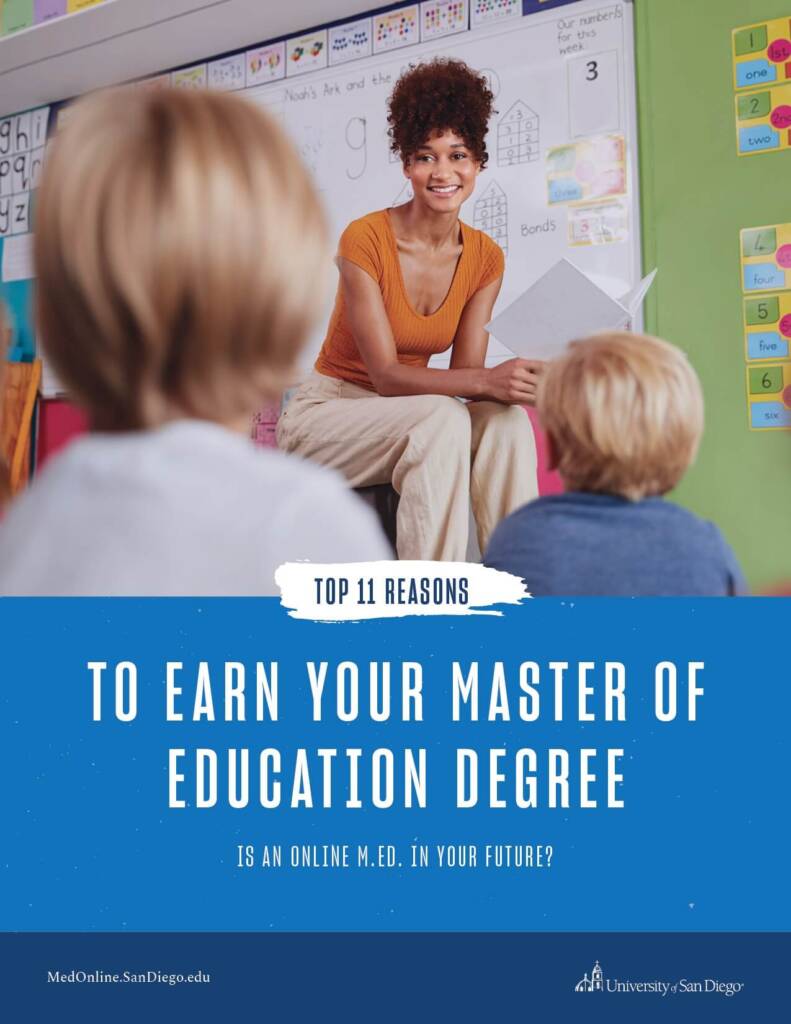
Are You An Educator Considering the M.Ed Path?
Read the top 11 reasons to earn your master of education degree.
Which Special Education Path Fits You?
The careers available to special education professionals span a wide range of settings, student populations and responsibilities. If you want to enter or transition into special education, use the prompts below to reflect on your preferences and strengths, then find the profile at the end that most closely matches your responses.
1. Student Population Preference
Which student population do you feel most drawn to working with?
A. Students with mild to moderate disabilities who participate in general education settings with support, such as those with learning disorders, high-functioning autism or ADHD.
B. Students with extensive support needs who require more intensive, specialized instruction, such as those with nonverbal autism, multiple disabilities or significant cognitive delays.
2. Preferred Age Band
Which age group do you connect with most naturally?
A. Early childhood or elementary (Pre-K–Grade 5)
B. Middle school (Grades 6–8)
C. High school or transition-age (Grade 9–College)
3. Preferred Classroom Setting
Which instructional environment feels most suited to your strengths?
A. Inclusion classroom: Co-teaching alongside a general education teacher, supporting students within the general curriculum.
B.Resource room: Pulling small groups of students for targeted instruction outside the general classroom.
C. Self-contained classroom: Providing primary instruction to students with significant needs in a dedicated special education setting.
4. Comfort with Behavior Support
How do you feel about working intensively with students who exhibit challenging behaviors?
A. It is an area I find manageable but prefer not to be the primary focus of my role.
B. I am comfortable with it and confident in applying structured behavior support strategies.
C. It is one of my strongest professional interests and I want it to be central to my work.
5. Collaboration Intensity
How do you prefer to work with colleagues, families and support staff?
A. I prefer a high degree of collaboration. Co-teaching, team meetings, family conferencing and cross-disciplinary coordination energize me.
B. I prefer a balance of meaningful collaboration with some autonomy in my day-to-day work.
C. I prefer roles where I can work more independently, offering expertise or consulting as needed rather than ongoing co-teaching.
Your Results
Review your responses and find the profile below that best reflects your combination of answers.
Profile 1: The Inclusive Classroom Specialist
Most common responses: 1A, 2A or 2B, 3A, 4A, 5A
You are most energized working alongside general education colleagues to support students with mild to moderate disabilities in inclusive settings. Your strength lies in collaboration, differentiation and building systems that work for a wide range of learners.
Recommended role types:
- Classroom Teacher (Inclusion): Your co-teaching instincts and comfort with diverse learners make you a natural fit for inclusive elementary or middle school settings.
- Instructional Coach: Your collaborative style and knowledge of differentiated instruction position you well to support other teachers in building more inclusive classrooms.
- Special Education Coordinator: As you gain experience, your systems-level thinking and cross-disciplinary communication skills translate naturally into coordination and compliance roles.
Profile 2: The Intensive Support Specialist
Most common responses: 1B, 3C, 4B or 4C, 5B
You are drawn to working closely with students who have extensive or complex support needs, and you are comfortable providing the structured, highly individualized instruction these students require. You thrive in environments where your expertise directly shapes a student’s daily experience.
Recommended role types:
- Classroom Teacher (Self-Contained): Your patience, structure and comfort with complexity make you well-suited to leading a dedicated special education classroom for students with significant needs.
- Behavior Interventionist: If behavior support is a primary interest, this role puts your skills in applied behavioral analysis and intervention planning at the center of your work.
- Special Education Clinician: For those interested in working across school and clinical settings, roles in behavior analysis or related services align closely with this profile.
Profile 3: The Systems and Leadership Specialist
Most common responses: 3B or 3C, 4A or 4B, 5B or 5C, with an interest in policy, program design or professional development
You are experienced in direct instruction but increasingly motivated by questions of how schools serve students with disabilities at a broader level through program design, policy, staff development or administrative leadership.
Recommended role types:
- Special Education Coordinator or Program Manager: Your interest in systems, compliance and schoolwide impact positions you well for roles that oversee programs rather than individual classrooms.
- Educational Consultant: If you prefer working across schools or districts rather than within a single building, consulting roles allow you to apply your expertise broadly and independently.
- Education Administrator: For those with leadership aspirations, an MEd with a focus on inclusive learning paired with classroom experience is a strong foundation for principal or director-level roles with a special education focus.
Profile 4: The Early Intervention and Family Partnership Specialist
Most common responses: 2A, 3A or 3B, 4A, 5A
You are drawn to the earliest stages of a student’s educational journey and find particular meaning in building strong relationships with families. You believe that early, consistent support in partnership with caregivers is the most powerful lever for long-term student success.
Recommended role types:
Speech-Language Pathologist: If you are drawn to communication development and early intervention, pursuing an SLP credential alongside your MEd opens a highly specialized and in-demand career path.
Early Childhood Special Education Teacher: Your nurturing instincts, comfort with young learners and emphasis on family engagement align closely with early intervention and Pre-K special education settings.
School Counselor: Your relationship-centered approach and interest in social-emotional development make counseling a natural adjacent role, particularly in elementary settings.
Who Special Education Teachers Work With Every Day
Special education teaching is rarely a solo endeavor. Beyond direct instruction, a significant portion of a special education teacher’s professional life is spent coordinating, communicating and problem-solving with a wide network of colleagues, specialists and families. Understanding what that collaboration looks like in practice, and where the time actually goes, is essential for anyone considering this career.
General Education Teachers
In inclusive and co-teaching settings, special education teachers work closely with general education colleagues to ensure students with disabilities can access the general curriculum. This relationship requires ongoing communication about lesson planning, accommodations, modifications and student progress. This team might:
- Co-plan lessons and units to ensure accessibility for students with IEPs
- Communicate regularly about student behavior, academic performance and social dynamics
- Align on grading modifications and assessment accommodations
- Provide in-the-moment support and coaching during shared instructional time
Paraprofessionals
Paraprofessionals (also called instructional aides or paraeducators) often work directly with students under the supervision of the special education teacher. Managing this relationship effectively is one of the more underappreciated responsibilities of the role. Special education teachers typically:
- Assign and oversee paraprofessional support across students and settings
- Provide direction on how to implement IEP goals and behavior plans without fostering over-dependence
- Debrief regularly on student progress, incidents and concerns
- Support the professional development of paraprofessionals informally and on the job
Speech-Language Pathologists, Occupational Therapists and Physical Therapists
Related service providers are essential members of the special education team. Coordinating with SLPs, OTs and PTs ensures that therapeutic goals are reinforced consistently across settings and that students receive integrated rather than fragmented support. Together, these specialists will:
- Participate in shared planning to align classroom instruction with therapeutic goals
- Implement therapist-recommended strategies and tools within daily instruction
- Attend joint meetings with families to present a unified picture of student progress
- Coordinate scheduling to minimize instructional disruption during pull-out services
Families
Family communication is among the most meaningful (and most time-intensive) aspects of special education. Parents and guardians are legal partners in the IEP process, and maintaining trust with families is foundational to student success. In this relationship, special education teachers need to:
- Conduct and participate in IEP meetings, which require significant preparation and follow-up
- Provide regular progress updates through written reports, phone calls and conferences
- Respond to family concerns promptly and document communications carefully
- Partner with families on behavioral strategies and goals that carry over into the home environment
What Takes the Most Time
For many special education teachers, the most time-consuming aspects of the role have less to do with direct instruction and more to do with documentation, coordination, communication and compliance. In practice, the following consistently account for the greatest share of a special education teacher’s workload:
- IEP writing and maintenance: Drafting, updating and monitoring individualized education plans is an ongoing process that extends well beyond formal annual reviews.
- Meeting preparation and follow-up: IEP meetings, team meetings and family conferences each require substantial preparation and careful documentation afterward.
- Communication logs: Many districts require teachers to document all family and team communications, adding an administrative layer to every interaction.
- Scheduling and coordination: Aligning pull-out services, co-teaching blocks, paraprofessional assignments and related service sessions across multiple students is a logistical challenge that falls largely on the special education teacher.
Understanding the full scope of this collaboration and building strong organizational and communication habits early is one of the most valuable things a master’s program can prepare you for.
Challenges in the Special Education Field (and How an Advanced Degree Can Help)
Every career, no matter how rewarding, has its challenges. The field of special education is no different — but with the right preparation and training, special education teachers will have the tools necessary to meet these common challenges head-on.
- Meeting individual needs: Students in special education programs often require highly individualized instruction and support, which can be challenging for teachers to manage within a traditional classroom setting. Fortunately, with the right professional development, teachers can learn strategies for effectively addressing the needs of their students while promoting their academic and social-emotional growth. For example, a Master’s in Special Education program provides teachers with advanced training in creating and implementing individualized education plans (IEPs) or specialized instruction plans (SIPs).
- Workload and support: Teacher shortages in special education can exacerbate workload issues and impact the level of support available in the classroom. Teachers may find themselves stretched too thin, trying to meet the needs of a group of students without adequate resources or assistance. However, by gaining a deeper understanding of evidence-based practices, behavior management strategies and collaboration techniques (such as co-teaching), teachers can optimize their time and resources to better support their students.
- Managing physical, psychological and behavioral issues: Special education teachers often encounter students with a wide range of challenges — from intellectual to physical to emotional — which can complicate the teaching and learning process. Special education training equips teachers with evidence-based approaches for supporting students with needs, including behavior intervention techniques, social-emotional learning strategies and assistive technology applications.
- Ensuring consistent learning progress: Due to the individualized nature of special education, it can be difficult to ensure consistent learning progress for all students. Teachers may struggle to track and monitor student growth effectively, especially when working with students with complex needs or multiple disabilities. By learning how to administer appropriate assessments and modify their instruction based on student performance, teachers can better monitor progress and tailor their approaches to meet their students’ evolving needs.
- Expecting the unexpected: Special education teaching is inherently dynamic, with new and different challenges appearing every day. This variability requires teachers to be flexible, adaptable and continuously engaged in problem-solving. By honing skills in critical thinking and reflective practice, teachers can develop strategies for navigating unpredictable situations and maintaining a positive and supportive learning environment for their students.
The Impact of Teachers with Special Education Master’s Degrees
Just like traditional classroom teachers, special education teachers play a crucial role in positively impacting their students, schools and communities at large.
By specializing in high-need areas such as autism, ADHD and behavioral disorders, special education teachers provide unique support to students who might otherwise be academically underserved. They help students overcome individual challenges and achieve success, closing the achievement gaps that often exist between students with disabilities and their peers. By intervening early and providing targeted interventions, these teachers also prevent academic failure and set students on a path toward long-term success.
When special education teachers pursue ongoing professional development, they can stay up to date on the most effective, evidence-based practices and theories in education. Not only are they continuously refining their skills to better serve their students, but they are also an asset to their school and district when it comes to expertise on differentiated learning strategies.
Perhaps most importantly, by building and fostering inclusive learning environments, special education teachers tangibly promote equity in education and create opportunities for all students to learn and succeed together.
How to Transition into Special Education
The Bureau of Labor Statistics reports that there are currently over 498,000 openings for special education teachers in the U.S., offering an average salary of $62,000. If you are a teacher considering transitioning to special education, now is the time to make moves!
Transitioning from general K–12 education to special education requires additional training, including a master’s degree in most cases — but if you already have a background in education, you’re well on your way.
- Having a bachelor’s degree from an accredited institution is a prerequisite for pursuing any master’s degree. Ideally, your degree is in education; although it is possible to become a teacher without a BA in Education, it is less likely that you can transition to special education without a foundation in the field.
- To teach in a public school, you must be certified by the state where you teach. You may also need to obtain certain special education credentials or endorsements, depending on the state’s requirements.
- If you have a relevant bachelor’s degree and a teaching license, you are ready to enroll in a Master of Education program. Master’s programs typically take anywhere from one to three years to complete, depending on the program and whether you take classes on a full-time or part-time basis. On a special education track, you will engage in coursework covering special education law, assessment and evaluation, differentiated instruction, behavior management, assistive technology and more.
- Field placements or practicums are usually required in a special education master’s degree program, much like the student teaching requirement in a bachelor’s program. You will gain hands-on experience working with students with disabilities under the supervision of experienced special education professionals.
Upon completion of your master’s program, you may wish to pursue additional certifications or credentials, such as Professional Board Certification in Special Education from the American Academy of Special Education Professionals (AASEP), which often requires candidates to hold a master’s degree in the field.
After gaining a suitable amount of experience working in special education, you may have the opportunity to transition into supervisory or administrative roles, if desired. These roles may involve overseeing special education programs, advocating for policy reform, providing support and guidance to special education teachers and ensuring compliance with relevant laws and regulations.
Interview Preparation: Common Special Education Hiring Questions
Landing a special education position requires more than the right credentials. Interviewers want to see that you can translate your training into practice from day one. The following questions appear frequently in special education hiring interviews, along with guidance on what a strong answer typically includes.
1. How do you write measurable IEP goals?
A strong answer demonstrates familiarity with the components of a well-written goal: a specific skill or behavior, a measurable criterion, a defined condition and a realistic timeline. Strong candidates reference the SMART goal framework (Specific, Measurable, Achievable, Relevant and Time-bound), explain how they align goals to present levels of performance and describe how they involve families and general education colleagues in the goal-setting process.
2. How do you use progress monitoring to inform your instruction?
A strong answer goes beyond describing data collection to explain how the data actually changes what happens in the classroom. Interviewers want to hear that you collect progress monitoring data consistently, review it at meaningful intervals, use it to determine whether a student is on track to meet their IEP goals and adjust your instructional approach or recommend a goal revision when data indicates a student is not making adequate progress.
3. How do you handle conflict with a parent, colleague or administrator?
A strong answer demonstrates professionalism, empathy and a commitment to keeping the student’s needs at the center of any disagreement. Strong candidates describe a specific approach to difficult conversations: listening actively, acknowledging concerns, grounding the discussion in data and documentation and following up in writing. Interviewers are looking for evidence that you can maintain productive relationships under pressure and navigate the IEP process collaboratively even when stakeholders disagree.
4. How do you support students with disabilities in inclusive settings?
A strong answer reflects both a philosophical commitment to inclusion and a practical understanding of how to make it work. Interviewers want to hear how you collaborate with general education teachers, differentiate instruction within a shared classroom, implement accommodations and modifications consistently and support students in building independence rather than reliance on adult support. Familiarity with Universal Design for Learning principles is a significant asset here.
5. How do you stay compliant with documentation and reporting requirements?
A strong answer conveys that you understand compliance not as a bureaucratic obligation but as a protection for students and families. Strong candidates describe specific systems they use to track IEP timelines, maintain communication logs, document progress monitoring data and ensure that meetings are scheduled, held and documented within legally required timelines. Interviewers are reassured by candidates who can articulate a clear, organized approach to the administrative demands of the role.
Degree, Endorsement or Professional Development: What Do You Actually Need?
Not every educator who wants to strengthen their special education skills needs to pursue a full master’s degree, but understanding the difference between available credentials is essential before making a decision. Here is a practical breakdown:
When an endorsement may be enough
An endorsement added to an existing teaching license is often sufficient for general education teachers who want to expand their qualifications to include special education support in inclusive or co-teaching settings. If your goal is to broaden your classroom skill set, qualify for a specific teaching assignment or meet a state requirement without changing your career trajectory, an endorsement is typically the faster and more targeted path. Requirements vary by state, so confirming with your state’s licensing board is essential.
When a full degree is the better investment
A master’s degree is the appropriate choice when your goals extend beyond the classroom into specialist roles, program coordination, administration or policy. It is also the practical requirement in most U.S. states for teachers who want to work exclusively in special education, particularly in self-contained or intensive support settings. If you are considering a career transition into special education rather than a supplemental qualification, a degree provides the depth of training and the credential weight that an endorsement alone cannot.
What districts typically require for specialist roles
For roles beyond the classroom such as special education coordinator, instructional coach, program manager or behavior interventionist, districts commonly require a master’s degree, relevant licensure and a minimum number of years of direct classroom experience. Some districts also require specific certifications, such as Board Certified Behavior Analyst (BCBA) credentials for behavior-focused roles. When evaluating whether a degree is necessary, reviewing the job postings for roles you aspire to in your target district is one of the most reliable ways to determine what is actually expected.
USD’s Inclusive Learning Specialization
In reality, working with students with special needs is a skill set every K–12 educator should have. Workshops, seminars and certificate programs are excellent opportunities for classroom teachers and administrators to better understand this unique student population — but for those who wish to pursue special education full-time, a master’s degree is nearly always a requirement. A Master’s in Special Education not only provides teachers with appropriate training but also improves the overall academic experience for students.
The University of San Diego offers an MEd specialization in Inclusive Learning and Universal Design, a program developed specifically for teachers who want to improve the classroom experience for students with special needs. This unique program — offered 100% online! — guides teachers in developing inclusive and flexible learning strategies that address both the academic and physical aspects of the classroom, ensuring that all students have the accommodations to succeed alongside their peers.
Explore the MEd-IL program today and start taking steps to enhance your special education career.
Frequently Asked Questions
How much does a master’s in special education cost?
Total tuition typically ranges from $8,000 to $40,000, depending on whether the program is public or private, in-state or out-of-state, online or on-campus. Fully online programs tend to fall on the lower end of that range, often between $10,000 and $20,000, and many districts, employers and federal aid programs offer funding that can offset the cost further. USD’s online MEd with an Inclusive Learning specialization costs $22,050.
What’s the difference between an IEP and a 504 plan?
An IEP (Individualized Education Program) is a legal document under the Individuals with Disabilities Education Act (IDEA) that provides specialized instruction and services to students who qualify for special education. A 504 plan, by contrast, falls under Section 504 of the Rehabilitation Act and provides accommodations, not specialized instruction, to students whose disability affects a major life activity but who don’t need a separate instructional program. A student with ADHD might have a 504 plan for extended test time, while a student with a more significant learning disability might have an IEP with individualized instructional goals.
Do I need to already be a certified teacher to start a master’s in special education?
It depends on the program. Some special education master’s tracks are designed for teachers who already hold a license and want to add a special education focus or endorsement. Others are designed for career changers and include a path to initial licensure alongside the degree. Before enrolling, confirm which type of program you’re looking at and whether it leads to the license you’ll actually need in your state.
What’s the difference between an inclusion specialist and an intervention specialist?
An inclusion specialist focuses on helping schools support students with disabilities within general education classrooms, often working closely with classroom teachers to make the shared curriculum accessible. An intervention specialist takes a more targeted approach, using specific strategies and ongoing progress monitoring to support students who need additional academic help, which may or may not involve a disability. The two roles overlap in schools that blend both functions, but they’re built around different starting points: environment versus individual student data.
How long does it take to become a Board Certified Behavior Analyst (BCBA) alongside this degree?
If your master’s program includes a BACB-approved Verified Course Sequence, you can typically complete the required coursework during your degree and finish the required 1,500 to 2,000 supervised fieldwork hours within about 2 to 4 years total, then sit for the certification exam. If your program isn’t BACB-approved, you’ll likely need to complete additional coursework separately after finishing your degree, which extends the timeline. Confirming a program’s VCS status before enrolling is the best way to avoid an unplanned delay.