Master of Science in Health Care Informatics
Request Information
Ready to Learn More About the MS In Health Care Informatics?
At a Glance
Prepare for your career in Health Care Informatics or Healthcare Data Analytics with our HIMSS-approved program. Earn your degree at our San Diego campus or completely online.
Customize your Coursework
Take our core Health Care Informatics curriculum or specialize in Healthcare Data Analytics.
Earn Your Degree Online or on-campus
Transforming the Health Care Industry Through Technology, Data and Analytics
Now more than ever, professionals who know how to securely capture, analyze and use health data are in demand. According to the Bureau of Labor Statistics, STEM careers such as healthcare informatics are projected to grow at twice the rate of other occupations. Whether you currently work in healthcare or are new to the industry, USD’s HIMSS-approved MS in Health Care Informatics offered by the nationally ranked Hahn School of Nursing can help you develop the technical, programmatic and analytic skills that employers are looking for.
Customize Your Experience: Online or Campus, Part-time or Full-time.
Designed with working professionals in mind, this practical graduate program allows you to take classes on campus in the evenings, or 100% online. Both formats provide an experienced cross-disciplinary faculty, exceptional student support, and the option to select specialized coursework in Health Care Informatics and Healthcare Data Analytics. Students joining us on-campus can attend part-time (2 nights per week) or full-time (3 nights per week)
10 – 14 courses
Take 10 to 14 courses, totaling 30-42 units. (Full-time campus students will take 42 units; all others will take 30)
2 formats
Choose our 100% online format, or join us for in-person classes two to three evenings per week in San Diego
20 months
Earn your MS in Health Care Informatics in just 20 months at a pace that fits your life and career goals
MS-HCI Key Facts
- Program duration:
-20 months - Formats:
-Fully online or on-campus
-Part-time or full-time - Available start terms:
-Fall (Sept.) – Online and on-campus
-Spring (Jan.) – Online only
-Summer (May) – Online only
- Specializations:
-Health Care Informatics
-Healthcare Data Analytics
-Dual Track Option for Full-time campus students - Tuition:
-$995/unit for online students
-$1,820/unit for campus students - Course requirements:
–Online and part-time: Select one specialization and take ten 3-unit courses (30 units)
–Full-time campus: Our dual-track option includes 14 3-unit courses (42 units)

Are You an International Student?
If you are planning to seek a visa to attend the MS-HCI program on-campus, you will enroll in a full-time course of study that includes classes from both specializations and a practicum, for a total of 42 units.
Practical Curriculum
Whether you specialize in Healthcare Data Analytics or Health Informatics, our curriculum will prepare you with the most in-demand skills sought after by employers.
As a student in the MS in Health Care Informatics program, you will develop your technical, programmatic and analytic competencies while addressing contemporary issues in health informatics such as population health analytics, data security, clinical documentation and workflow optimization.
The online and part-time MS-HCI curriculum is comprised of 8 core courses and 2 specialization courses, for a total of 30 units completed over five terms (20 months).
- An optional practicum is available for on-campus part-time students seeking hands-on experience with one of our San Diego partners
- A full-time option is available for on-campus students interested in taking coursework from both specializations, as well as International visa-seeking students. This option also includes a required practicum and involves three evening classes per week.
Who should enroll in this program?
You don’t need to have health care experience to enroll in the MS in Health Care Informatics program. While some of our students do work in a variety of clinical and non-clinical roles, many of our students are preparing to enter the health care field for the first time. Regardless of your prior professional experience, our program is designed to build from a foundation that will prepare you for future success.
Our student profile includes mostly working professionals from the following roles:
- Physicians looking to advance into a CMIO role
- Foreign medical graduates (FMGs) who are not credentialed in the U.S.
- Nurses and nursing informaticists
- Pharmacists and pharmacy technicians
- Other health care professionals
- Health insurance professionals
- IT/computer science professionals
- Medical office managers
- Health information management professionals (including those working in medical billing/revenue cycle, coding, information governance, data integrity, quality improvement, compliance, privacy and security, etc.)
- Health care consultants
- Public health or nonprofit roles
Student Testimonials
I chose this program because of the timeline of completing along with being associated with HIMSS. I also was drawn to the program as it is 100% online which allowed me to navigate my work-school-life balance. The faculty for all my classes were excellent and engaged spectacularly with not just me but all my colleagues online. I would recommend this program to anyone looking to solidify their career in healthcare IT and to become more versed in applying the skills they have already to enhance healthcare staff skills, organizational health technology, and become a more valuable asset for their teams.
I chose this program because of the timeline of completing along with being associated with HIMSS. I also was drawn to the program as it is 100% online which allowed me to navigate my work-school-life balance. The faculty for all my classes were excellent and engaged spectacularly with not just…

The MS-HCI program at USD is a highly ranked master’s degree program. I selected the program because it was the best fit for my working schedule. The uniqueness of the program is due to its cross-disciplinary model with faculty members from healthcare, business, engineering, and computer science, which prepares students for leadership roles in informatics. The program has prepared me to be a part of a team of professionals who are passionate about creating positive change in the healthcare industry. My MSHCI journey at USD has been an incredible journey beyond my expectations and gave me the necessary knowledge to succeed in my future career.
The MS-HCI program at USD is a highly ranked master’s degree program. I selected the program because it was the best fit for my working schedule. The uniqueness of the program is due to its cross-disciplinary model with faculty members from healthcare, business, engineering, and computer science, which prepares students…

The Master of Science in Health Care Informatics improved my skills and knowledge toward a successful profession. I will continue building up my knowledge and apply what I learned to my future. USD gave me that chance of making a difference in the community. I recommend the MSHCI program at the University of San Diego as it will lead you to accomplish your goals.
The Master of Science in Health Care Informatics improved my skills and knowledge toward a successful profession. I will continue building up my knowledge and apply what I learned to my future. USD gave me that chance of making a difference in the community. I recommend the MSHCI program at…

Everything I am learning in this program is relevant to my job. I am very happy that I am able to use the knowledge gained from these courses into my work. I have every confidence that this degree will shape me into the best healthcare administrator I can be.
Everything I am learning in this program is relevant to my job. I am very happy that I am able to use the knowledge gained from these courses into my work. I have every confidence that this degree will shape me into the best healthcare administrator I can be.
Throughout my 10 plus years in the military. I have learned that having pride in what you do, and commitment to the people you work with are what make great memories and a forever sense of family connection. Not only does the University of San Diego epitomize these values, but the academic team represents them in everything they do. During my time in the program, I experienced staff who placed their students first and apply real world practices for the best learning environment. The staff does whatever it takes to align their vision with the student’s visions and goals on a continuous basis.
Throughout my 10 plus years in the military. I have learned that having pride in what you do, and commitment to the people you work with are what make great memories and a forever sense of family connection. Not only does the University of San Diego epitomize these values, but…

I graduated from USD with my Master’s in Healthcare Informatics in 2019. USD’s program provided a strong foundation to build the skills needed for the industry. As I entered the workforce, I felt quite prepared to understand the content and be able to meet client-related needs. I would also like to add that the faculty has been an amazing source of strength and support. Being an online student, I never felt any lack of resources. I will always be grateful to Dr. Jonathan Mack and the team for giving me a solid base to enter the field of healthcare Informatics.
I graduated from USD with my Master’s in Healthcare Informatics in 2019. USD’s program provided a strong foundation to build the skills needed for the industry. As I entered the workforce, I felt quite prepared to understand the content and be able to meet client-related needs. I would also like…

I highly recommend the USD Health Care Informatics online master’s degree. The program was flexible with my full-time work schedule and provided me with an opportunity to learn and improve my skillset in health care. More than just an education, it provided me with a solid foundation for becoming a health care leader.
I highly recommend the USD Health Care Informatics online master’s degree. The program was flexible with my full-time work schedule and provided me with an opportunity to learn and improve my skillset in health care. More than just an education, it provided me with a solid foundation for becoming a…

Earning my MS-HCI degree from the University of San Diego is hands down one of the best things that I have done with my life. It has opened so many doors for me and my professional career. Before enrolling at USD, I was unsure what I wanted to do professionally and I started exploring the possibility of starting something new from scratch. Even before I graduated I had already landed a job in the field after 15 years of feeling stuck in the pharmaceutical industry. I love what I do now and I am glad that I decided to go back to school. I recommend the program to anybody who is looking to switch fields or do something different in healthcare.
Earning my MS-HCI degree from the University of San Diego is hands down one of the best things that I have done with my life. It has opened so many doors for me and my professional career. Before enrolling at USD, I was unsure what I wanted to do professionally…

I chose USD’s MS-HCI program because of the intimate online class settings, easy-to-use online format, and the wide variety of classes within the informatics field. I was pushed to grow during this program, but it remained manageable as I worked full time. During this program, I found it easy to connect with the professors and staff. Our professors seemed to take a “real-world” approach, meaning that most of the projects we worked on could be applied to future jobs or school programs. Every staff member was extremely helpful and accommodating over the past two years. I really appreciate that Dr. Mack was available at any time during this program. After this degree, I am inspired to pursue my PhD in Nursing utilizing an informatics perspective. I look forward to staying in touch with my classmates and professors.
I chose USD’s MS-HCI program because of the intimate online class settings, easy-to-use online format, and the wide variety of classes within the informatics field. I was pushed to grow during this program, but it remained manageable as I worked full time. During this program, I found it easy to…
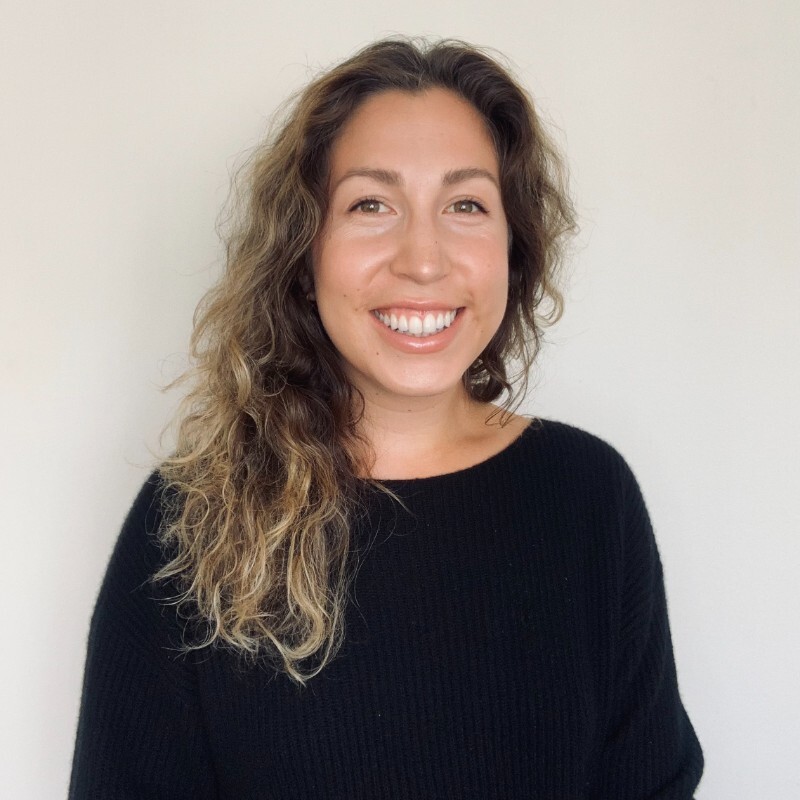
Completing the Health Care Informatics program at USD was the best career decision I have made. As a Clinical Informaticist, I apply what I learned daily. The promotions and positions I have held since graduation are a direct result of being a graduate of the USD program.
Completing the Health Care Informatics program at USD was the best career decision I have made. As a Clinical Informaticist, I apply what I learned daily. The promotions and positions I have held since graduation are a direct result of being a graduate of the USD program.

companies our graduates work at
Graduates of University of San Diego’s MS in Health Care Informatics hold positions in a range of settings, including health systems and hospitals like Baptist Health, Kaiser Permanente, UC San Diego Health and Memorial Sloan Kettering, as well as McKesson, CSI Healthcare IT, Virtual Dental Care and ShiftHive.


Health Care Informatics Careers
Fueled by technology advancements that are reshaping the medical world, health informatics is among the nation’s fastest-growing job sectors. With high demand for qualified informatics professionals in a wide range of positions, employers are paying top dollar to recruit the best talent for these important roles.
The MS in Health Care Informatics is a STEM-Designated program. A STEM degree is a degree in the field of science, technology, engineering, or mathematics. STEM fields are essential to U.S. economic competitiveness, and careers in STEM have some of the greatest growth potential and the highest salaries, according to the Bureau of Labor Statistics. For more information about careers in this area, click here.
Health Care Informatics Faculty
Our expert faculty instructors have professional experience working in health care, and the informatics field in particular. Their expertise, experience and insight about this emerging industry provide students with relevant information and expectations about the health care informatics field.
Praise From HIMSS
HIMSS is pleased to welcome the University of San Diego as an Approved Education Partner. We congratulate the administration of the University of San Diego for creating an MS in Health Care Informatics that provides an intensive curriculum exposing students to MBA-type courses in many different topics so critical to the health informatics. We are pleased to see topics like financial management, strategic planning and leadership, systems analysis and design, data hygiene/cyber security and others. This curriculum serves as a solid foundation to prepare students to take the CAHIMS or CPHIMS exam.
JoAnn W. Klinedinst, M.Ed., CPHIMS, PMP, DES, FHIMSS, FACHE
Vice President of Professional Development, HIMSS
October 10, 2016
Frequently Asked Questions
What is Health Care Informatics?
The health informatics field resides at the intersection of computer science, information management and healthcare. Its purpose is the automation, management and improvement of health information in the support of health care delivery. The field has been growing rapidly due to advancements in electronic medical records and cloud computing. You can learn more about the field as well as the career potential, by reading this blog post: What is Health Informatics? [Definition + Jobs and Salary Information]
Another good resource is this post: Opportunities in Health Informatics are Vast for Those with a Master’s Degree.
What does this degree program prepare me to do?
Our MS in Health Care Informatics program was designed with input from health system employers who recognized the need for professionals to help implement and optimize electronic medical records, secure patient data, train staff members on the use of EHRs, and help improve patient outcomes and enhance the patient experience by leveraging robust data analysis skills. Employers are looking for health informaticists who understood the unique challenges of working with healthcare data, and who can take a leadership role in developing and improving systems and workflows. Read the blog post What Skills Do You Need for a Successful Career in Health Care Informatics? to get a clearer picture of the knowledge and skills you’ll need to work in the field, and take a look at our Program Curriculum for an inside look into what you’ll be learning as a student in the MS in Health Care Informatics program.
Where do graduates typically find employment upon graduation?
Graduates of our program are employed with hospitals, clinics, medical devices companies, health insurance companies and data/analytic companies. They are employed as clinical analysts, data management professionals, clinical information systems specialists, EHR implementation managers, in managerial roles and in marketing and sales for medical device companies.
Can I work while completing this program?
Yes, both our on-campus and online programs were designed to be completed while working full time. For online students, the flexible one-class-at-a-time format allows you to do your coursework and participate in the discussion topics from wherever you are, at whatever time works best for you. Read more about things you should consider before earning your degree online. Students in the part-time campus-based program will take two evening classes a week, giving them time to balance work and school.
How much time do I need to spend studying each week?
Study time will vary based on the course and your comfort level with the material being presented. Most online students say they spend about 20 hours per week completing their coursework and participating in discussion boards. Students enrolled in the on-campus program will take two to three classes concurrently, requiring an additional time commitment.
What is unique about the program at the University of San Diego (USD)?
Our approach to graduate-level health informatics curriculum is unique for several reasons.
- Choose from two specializations that allow you to develop your health care leadership, programmatic and analytic competencies while addressing contemporary issues in informatics such as population health analysis, clinical documentation, and workflow optimization.
- Our advisory board of industry experts guides the development and continual refinement of our curriculum, ensuring that we are preparing students with the skills they need to be successful in the workforce.
- You can choose to attend classes in person, or earn your degree 100% online
- Our curriculum has been approved by HIMSS and prepares students to sit for certification. You’ll learn practical, up-to-date skills and knowledge that are aligned with the needs of employers.
- USD is a regionally accredited, top 100 university. Regional accreditation is considered the gold standard in assessing the quality and consistency of a higher education program.
What is the cost of tuition for the MS-HCI Program?
Tuition for the MS-HCI program varies depending on whether you attend on campus or online.
-
- ONLINE: $995/unit. The total tuition cost for the 30-unit program is $29,850
- CAMPUS: $1,820/unit. The total tuition cost for the 30-unit program is $54,600, and the cost for the 42-unit program is $76,440
Tuition amounts shown on this website, or in other university publications or web pages, represent tuition and fees as currently approved. However, the University of San Diego reserves the right to increase or modify tuition and fees without prior notice and to make such modifications applicable to students enrolled at USD at that time as well as to incoming students. In addition, all tuition amounts and fees are subject to change at any time for correction of errors. Please note that the displayed tuition covers only the cost of courses, and additional expenses such as books and other fees are not included.
What if my GPA is slightly below the minimum required for admission? Can I still be considered for acceptance?
Absolutely! We understand that you are more than your undergraduate GPA . Your undergraduate GPA may potentially be offset by work experience, an admission essay, or fulfillment of a graduate-level course to show readiness for success in your graduate degree. During your admission interview, our Academic Director will explore your career goals and identify any ways our team might be able to better support you through your graduate studies. Ultimately, our goal is your success. We want to ensure that the students who are admitted to our program have the experience, tools and resources they need to graduate from the program and pursue their career goals.
Is a degree or work experience in health care required for admission?
Your bachelor’s degree can be in any discipline, and health care experience is not required. If you have not worked in health care, you will be required to complete an online medical terminology course which is not part of the degree curriculum. This will help give you a foundational understanding of the terms and concepts discussed throughout the program.
What is the difference between the on-campus and the online degree programs?
Whether you attend online or on-campus, you’ll find the faculty and curriculum substantially the same. Below is a list of the primary differences:
- The cost per unit varies: $995/unit online vs. $1,820/unit on-campus
- Campus-based students also have additional fees associated with being on campus (health services, parking, etc)
- Online students take one accelerated class at a time, and classes run year-round. Each online class lasts just 7 weeks. On-campus students take 2 to 3 classes concurrently over a 14-week term, depending on whether they are enrolled part-time or full-time.
- New students may start the online program in Fall, Spring or Summer. The on-campus program welcomes new students every Fall.
Is this a STEM program?
Health Care Informatics is a STEM-designated degree. In general, after graduating from a master’s program, international students are eligible to complete Optional Practical Training (OPT), which allows them to work up to 12 months at a company in the U.S. to gain work experience before returning to their home country. Those who graduate from a STEM-designated program can extend their OPT to an additional 24 months.
How many units is my program?
The MS-HCI program is a total of 30 units. You’ll take a total of ten required 3-unit courses over 5 terms. Students enrolled in the on-campus program have the option of enrolling full-time, which would consist of three 3-unit courses each term, for a total of 42 units.
After program completion, is there a certification available?
Graduates of our program are prepared to sit for certification by HIMSS. Nurse informaticists can also seek accreditation through the American Nurses Credentialing Center. Read more about the different certifications offered for professionals working in health informatics.
I already work in health informatics but would like to advance. Will this degree help?
Absolutely – adding a health informatics master’s degree to your resume is likely to help increase your opportunities for promotion. We specifically designed our Health Care Leadership track with professionals like you in mind. It is ideally suited for professionals who already have a strong foundation but would like to develop the specialized skills required to lead a successful team and oversee complex human and technology systems. The Leadership track offers exposure to critical areas required of a health care leader, including health care law, management, finance and strategic planning.
I’m completely new to healthcare and informatics. Will this degree help me enter the field?
USD’s MS-HCI program is extremely well-suited to both early careerists as well as professionals in other disciplines looking to make a career change. The health informatics specialization starts with two foundational courses that will help you better understand the healthcare field, health information systems, and data/privacy issues. You’ll then take classes that provide a wide range of technical, analytical and leadership skills that will prepare you for certification as well as employment. Our curriculum is aligned with the key competencies required by employers, ensuring you will have the knowledge and confidence to succeed in your new career.
What’s the difference between health informatics and nursing informatics?
Nursing informatics is a subspecialty of nursing and falls under the broader health informatics umbrella. Nursing informatics deals directly with patient care and is geared toward nurses who want to improve patient safety through the use of computer science, information technology and nursing science. You can read more details about the program differences in this blog post.
If you’re a nurse, you can choose whether to advance your studies with an MSN in Nursing Informatics, or an MS in Health Care Informatics. If you plan to continue working in a patient-facing role, you might find that the MSN provides more growth opportunities with your current employer (and even a bump in pay, depending on your union contract). If you are moving away from a clinical role and find that you enjoy functions such as data analytics and information technology, you may find that the MS in Health Care Informatics will serve you quite well. Two important notes:
- At University of San Diego, the MSN program is only offered in the traditional campus-based format, whereas the MS program is offered both online and on campus.
- Earning an MSN requires 600 hours of clinical practice hours.
Accreditation
Each of the University of San Diego’s high-quality academic programs is regionally accredited by the Western Association of Colleges and Schools. Accreditation is an important quality indicator for college and university degree programs, and regional accreditation is generally regarded as the gold standard that assures you will receive a rigorous education and be able to apply for federal financial aid.